
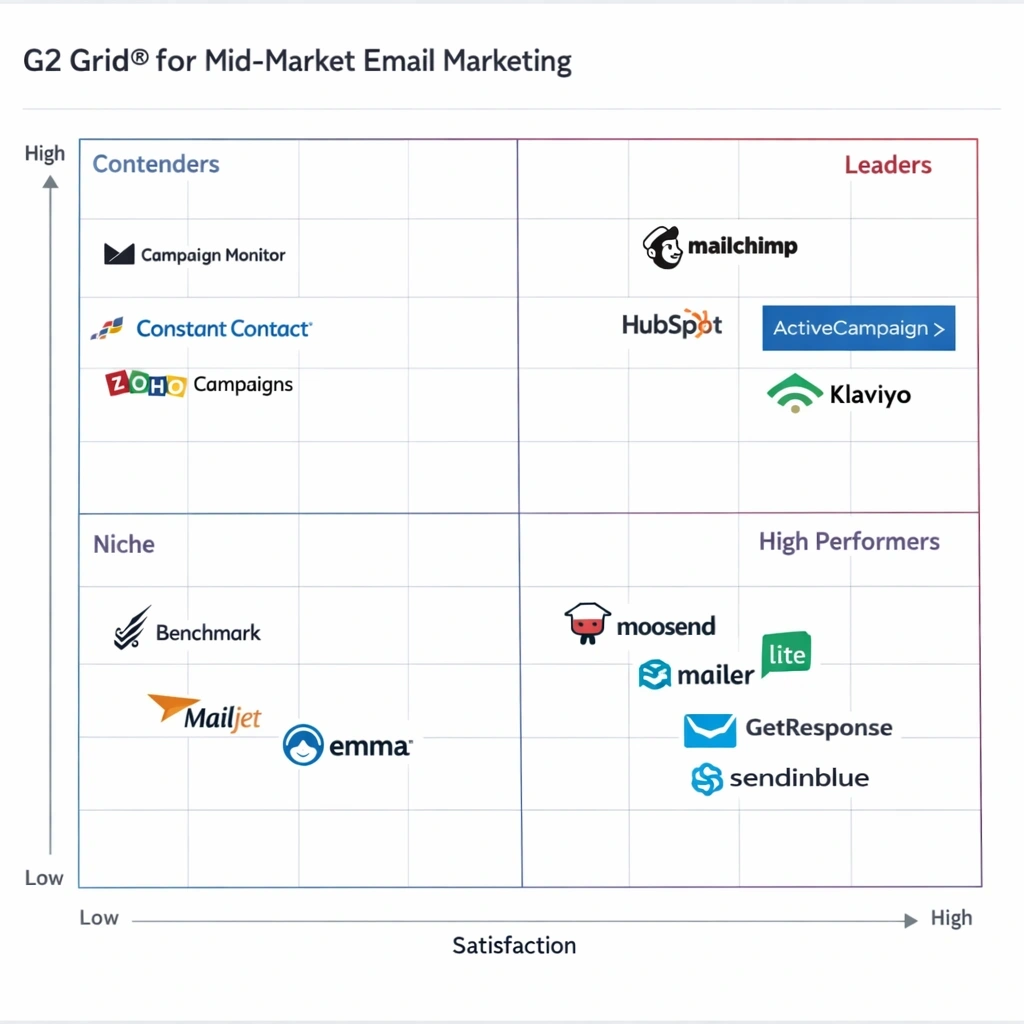
A SaaS product with fewer than ten reviews is practically invisible to the buyers who matter most. Learning how to get more SaaS reviews isn’t about spamming your user base it’s about building a repeatable system that collects authentic feedback at the right moment in the customer journey. The timing, the ask, and the follow-up sequence all determine whether a satisfied customer becomes a public advocate. If you’re still deciding which platforms deserve your review-generation effort, the best SaaS review platforms ranked for 2026 gives you the strategic context to prioritize before you build your outreach flow.
Review volume is one of the most visible trust signals a SaaS product can have and one of the most neglected. Most founders know they need more reviews. Few have a system that actually produces them consistently. The result is a profile that stays frozen at eight or twelve reviews for months while a competitor quietly runs a structured campaign and climbs past them in the category ranking.
Knowing how to get more SaaS reviews is not about finding a shortcut. It is about understanding the psychology of the ask, the mechanics of the platform, and the timing that turns a satisfied customer into a published advocate. Every element of that process can be engineered and once it is, review generation becomes a predictable output rather than a lucky outcome.
Why most review outreach fails before it starts
The most common reason SaaS companies fail to collect reviews consistently is not that their customers are unhappy. It is that the ask is poorly timed, poorly framed, or buried inside a communication the customer was already going to ignore.
Sending a review request inside a monthly newsletter is almost always wasted effort. The customer is in passive consumption mode. They are not primed to take action, and the friction of clicking through to a review platform, logging in, and writing a structured response is high enough that most people simply move on.
The requests that convert share three characteristics. They are sent at a moment of peak satisfaction immediately after a successful outcome, a milestone, or a positive support interaction. They are personal coming from a named team member rather than a generic company address. And they are specific they tell the customer exactly which platform to visit, how long the review will take, and why it matters to a real person on the team.
That specificity is what separates a review request that feels like a favor between two people from a review request that feels like a marketing task.
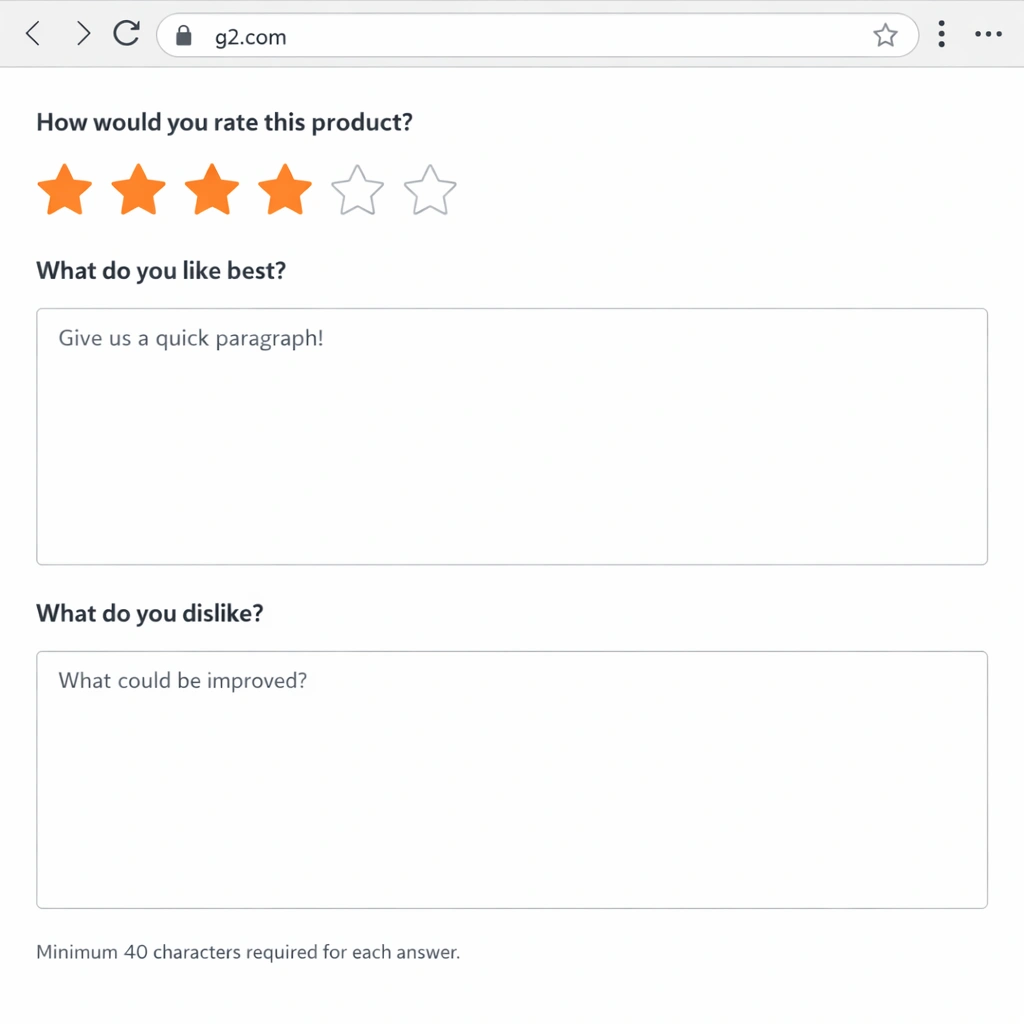
The three moments that generate the most reviews
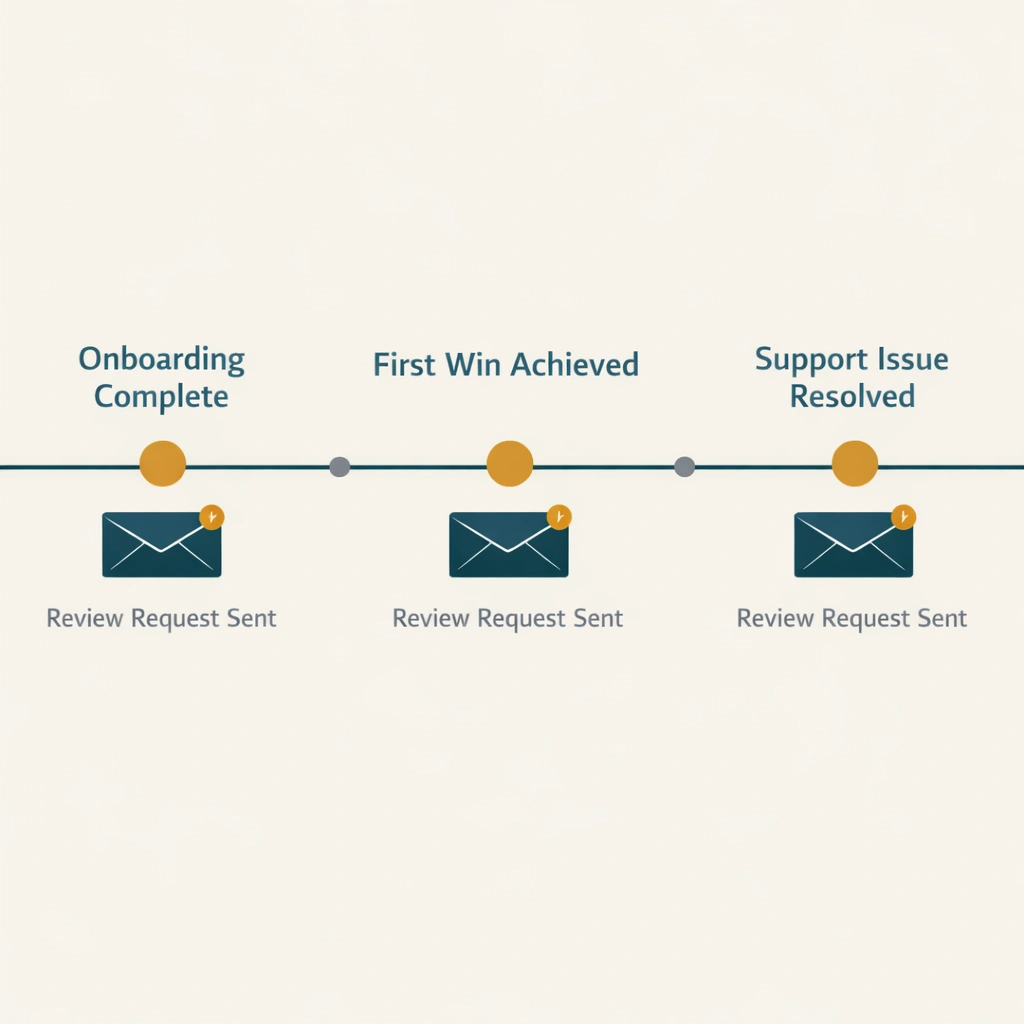
Timing is the single highest-leverage variable in any review generation system. There are three moments in the customer lifecycle where the ask converts at a meaningfully higher rate than any other point.
The first is immediately after onboarding completion. When a customer finishes setup and successfully uses your product for the first time, their satisfaction is at its earliest peak. They have just solved the problem that brought them to your product. That emotional state relief, momentum, optimism is the most fertile ground for a positive review.
The second is after a measurable outcome. If your product helps customers save time, close deals, reduce churn, or hit a metric they care about, the moment they see that result is when they are most likely to want to tell someone. An automated trigger — sent when a customer hits a usage milestone or reports a win inside your platform — can capture that moment at scale without requiring manual effort from your team.
The third is after a positive support interaction. A customer who reached out with a problem and had it resolved quickly is often more loyal than one who never had a problem at all. A review request sent within twenty-four hours of a resolved support ticket, from the same team member who handled the issue, converts at a consistently high rate across almost every SaaS category.
Understanding these moments is foundational. The next layer is knowing which platform to direct each customer to — a decision that depends on your product’s positioning and target buyer. The G2 vs Capterra vs GetApp comparison helps you match the right platform to the right customer segment before you build your outreach sequences.
Building the outreach sequence: what to say and how to say it
The message itself matters as much as the timing. A review request that reads like a template even a good template will always underperform a message that feels genuinely personal.
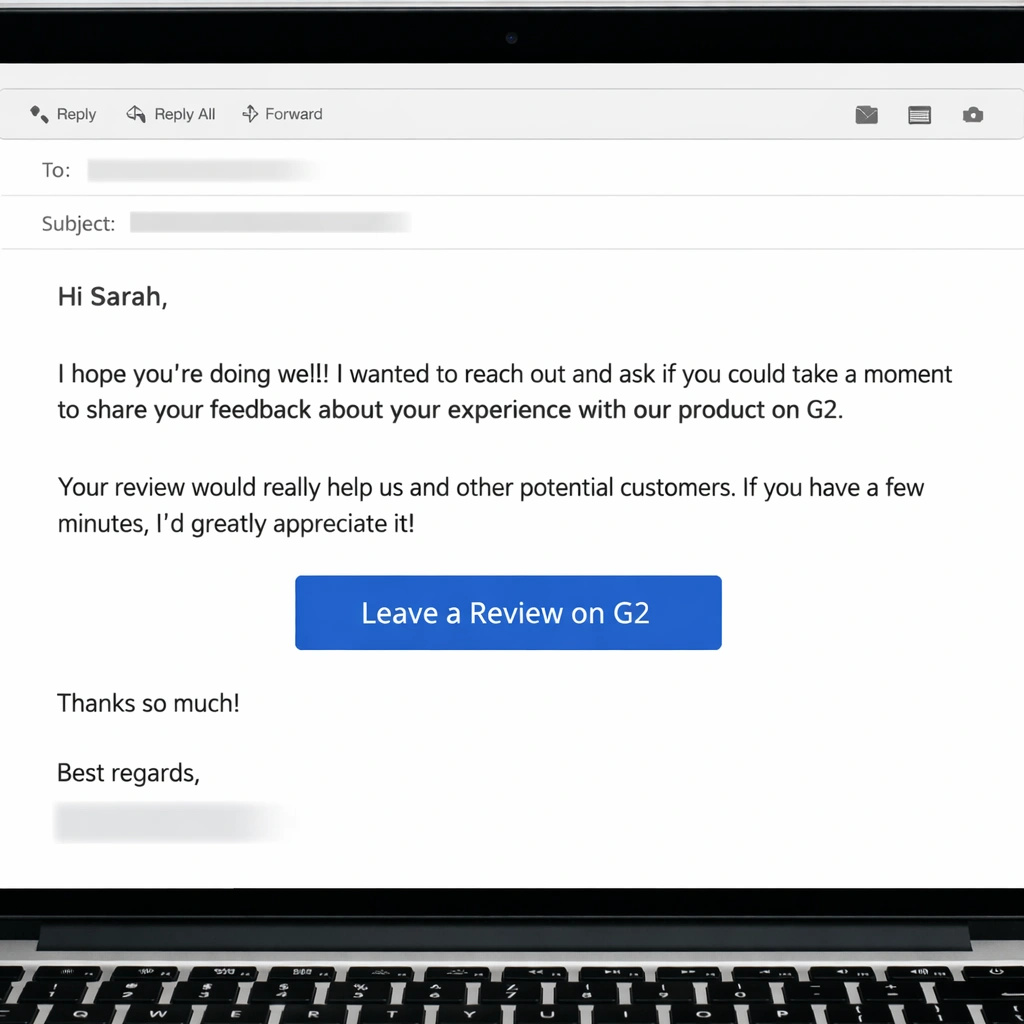
The highest-converting review request emails share a consistent structure. They open with a specific reference to something the customer has done or achieved inside the product. They make a direct, single ask — not a list of options. They include a direct link to the exact review platform, not a general “leave us a review” prompt that requires the customer to find the right page themselves. And they close with a personal sign-off from a named team member, not a company logo.
Subject lines that reference the customer’s outcome directly — rather than leading with the company’s need for reviews — consistently outperform generic subject lines in open rate and click-through. Something like “your results with [product name] — quick ask performs better than “would you leave us a review? because it centers the customer’s experience rather than the company’s request.
For customers in a higher-value tier, a short personalized video message — thirty to sixty seconds recorded by a customer success manager — can dramatically increase response rates. The effort signals that the ask is genuine, not automated, even when the trigger behind it is.
Using platform-native tools to accelerate review collection
Both G2 and Capterra provide native tools designed to help vendors collect more reviews — and most companies underuse them significantly.
G2’s review collection tool, part of their vendor dashboard, allows you to send review requests directly through the platform to verified users. Because the request comes through G2’s own infrastructure, the review submission process is streamlined for the recipient — no account creation friction, no platform navigation required. G2 also runs periodic review campaigns where they incentivize users to leave reviews with gift cards funded by the platform, not the vendor. Opting into these campaigns during active periods can produce a meaningful spike in review volume without any direct cost.
Capterra’s review collection program works similarly, with the addition of a pay-per-review option where vendors can fund a small incentive — typically a ten to twenty dollar gift card — to encourage verified customers to complete a review. This model is transparent to the reader, as Capterra discloses the incentive on the review, but it does not diminish the review’s weight in the platform’s ranking algorithm.
The key with both platforms is to use these native tools in coordination with your own outreach, not as a replacement for it. Platform-native campaigns reach your existing user base through a channel they already trust. Your own outreach adds the personal layer that turns a passive user into an engaged one.
Optimizing your profile to convert the traffic that your reviews attract is a separate but equally important discipline. The full guide to optimizing your G2 profile walks through every profile element that affects both category ranking and visitor conversion rate.
Making review generation a team habit, not a campaign
The companies that maintain strong review volume over time are not running one-off campaigns. They have embedded review requests into the daily habits of their customer-facing teams.
Customer success managers who close out a quarterly business review with a direct, verbal ask — followed by a personalized email with a direct link — convert at rates that no automated sequence can match. Sales teams who reference the company’s G2 rating during the closing stage of a deal, then follow up post-onboarding with a review request from the same rep who closed the deal, create a continuity of relationship that makes the ask feel natural rather than transactional.
Building this into your team’s workflow requires two things: a simple playbook that every customer-facing team member follows, and a shared dashboard that tracks review volume by platform so the team can see the impact of their effort in real time. Visibility drives behavior. When a customer success manager can see that their outreach last week produced three new G2 reviews that moved the product’s score from 4.5 to 4.6, the habit reinforces itself.
Knowing how to get more SaaS reviews is ultimately about building a culture where customer advocacy is treated as a growth metric not a marketing afterthought.
The system is the strategy
Review generation is not a task you complete. It is a system you build and maintain. The companies that consistently outrank their competitors on G2 and Capterra are not spending more money — they are asking more consistently, asking at the right moments, and making the ask easy enough that satisfied customers actually follow through.
Start with one platform, build one outreach sequence around the three high-conversion moments, and measure the result over sixty days. The volume you generate in that window will tell you more about your customer satisfaction and your outreach effectiveness than any internal survey ever could.
Conclusion
Building a review generation system is one of the highest-return investments a SaaS founder can make in 2026. The compounding effect is real every review you collect today improves your category ranking tomorrow, which drives more profile visits, which produces more inbound leads without additional ad spend.
The system does not need to be complex to work. Three well-timed outreach moments, a personal ask from a named team member, and a direct link to the right platform will outperform any elaborate automation sequence built on a weak foundation. Start simple, measure consistently, and iterate based on what your response rates tell you.
Once your review volume is growing, the next variable that determines your return from these platforms is cost. Knowing exactly what G2 and Capterra charge — and what each pricing tier actually delivers versus what it promises — changes how you allocate your budget before you commit to anything. The SaaS review platform pricing breakdown for G2, Capterra, and GetApp gives you the full picture so you can make that decision with clear numbers in front of you.