
Choosing the wrong platform to list your software doesn’t just waste budget it puts you in front of the wrong audience entirely. G2 vs Capterra vs GetApp is one of the most searched comparisons among SaaS founders today, and for good reason: each platform attracts a different buyer profile, uses a different algorithm, and rewards a different kind of profile strategy. Before you split your review-generation effort across all three, the complete guide to the best SaaS review platforms in 2026 breaks down the full landscape so you can prioritize with confidence.
Every SaaS founder eventually lands on the same question: where should I actually invest my review platform effort? G2, Capterra, and GetApp are the three names that dominate the conversation, but treating them as equivalent options is a strategic mistake. Each platform was built with a different audience in mind, operates on a different discovery model, and delivers a different kind of return depending on your product’s price point, target buyer, and growth stage.
The G2 vs Capterra vs GetApp comparison is not about which platform is objectively better. It is about which one is right for your specific situation — and in some cases, whether a combination of two or all three makes sense at all.
How each platform positions itself in the market
Before comparing performance, it helps to understand how each platform defines its own identity.
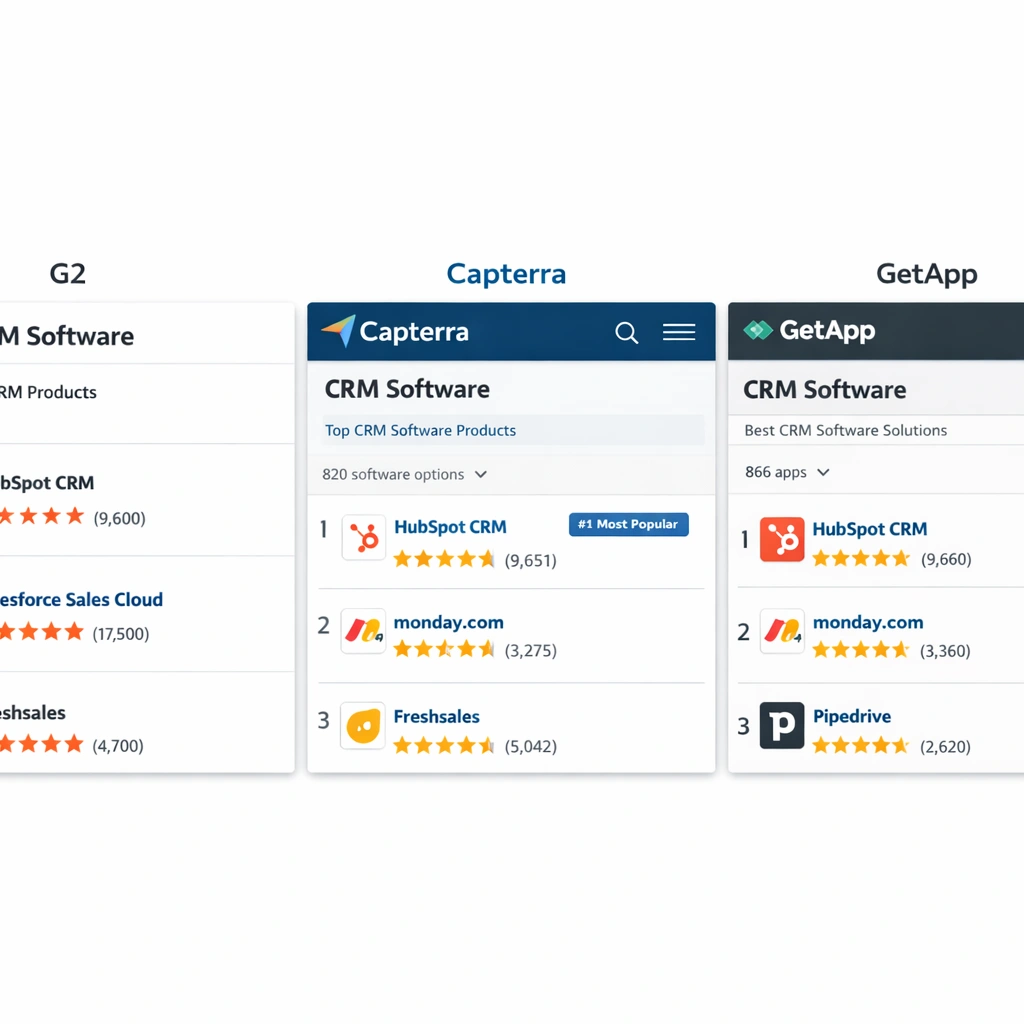
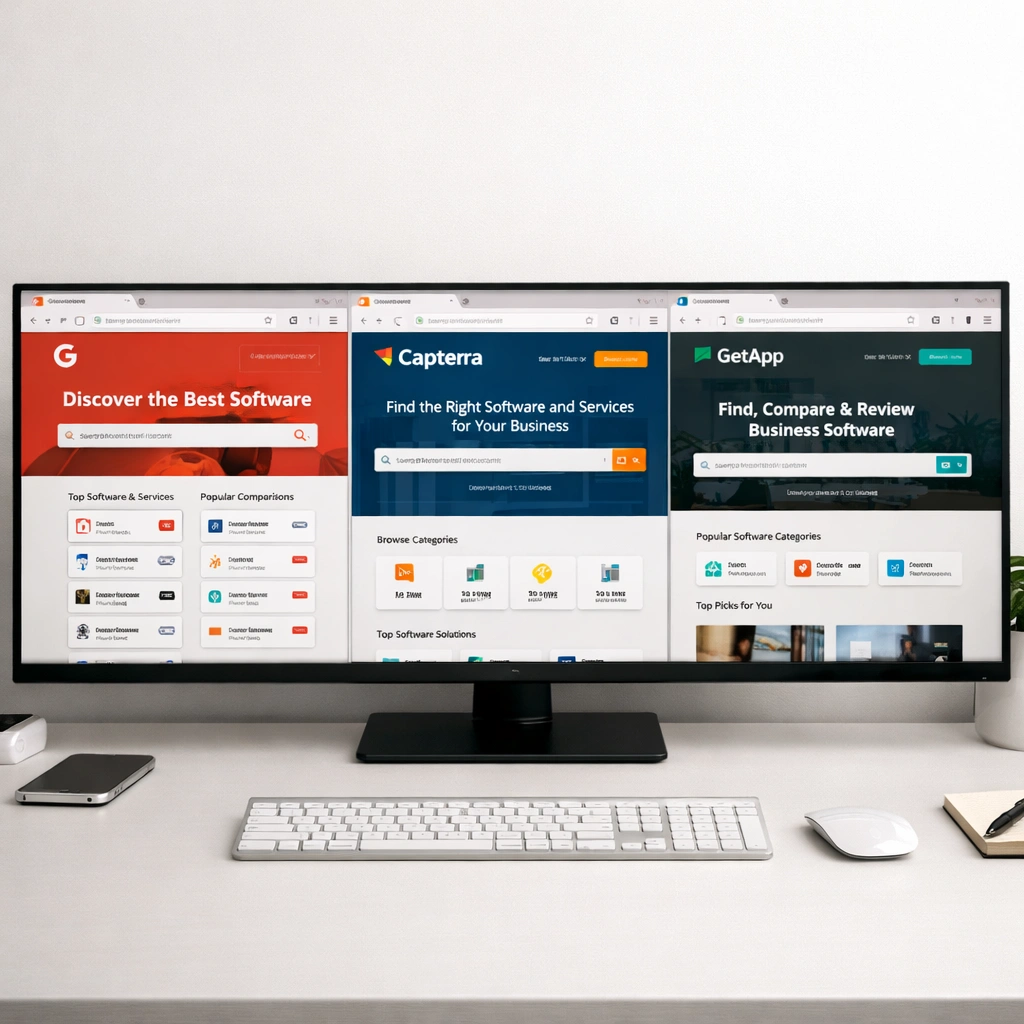
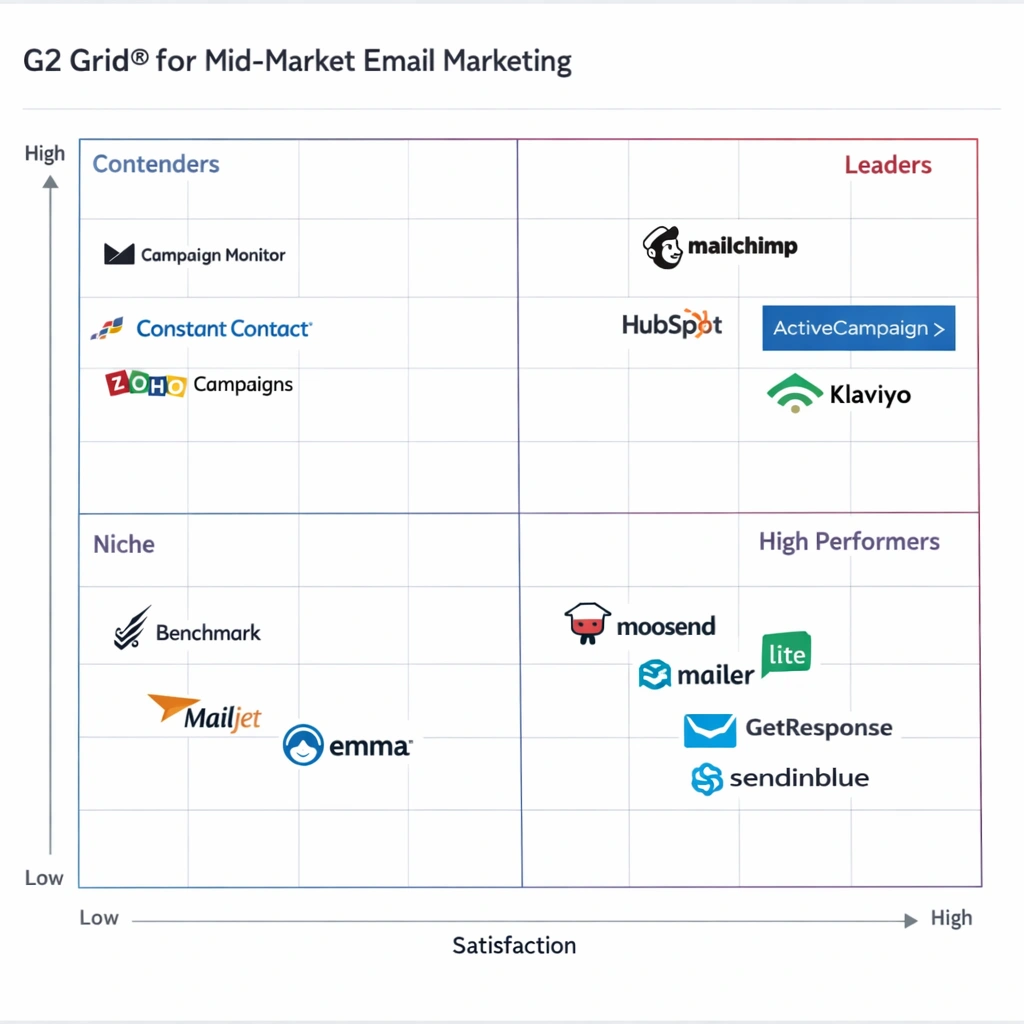
G2 is the largest pure-play SaaS review platform in the world by traffic and review volume. It was built specifically for software evaluation and attracts buyers who are deep in a structured purchasing process. The typical G2 visitor is researching a category seriously, comparing multiple vendors side by side, and often working within a team buying decision. G2’s grid system — which ranks products as Leaders, Contenders, High Performers, or Niche players — has become a benchmark that enterprise buyers reference directly in internal procurement conversations.
Capterra operates as a software discovery and comparison directory with a broader, more casual buyer profile. Its traffic skews toward small business owners and operations managers who are searching for a solution to a specific workflow problem rather than conducting a formal software evaluation. Capterra’s paid placement model, where vendors can bid for top-of-category visibility, means the platform rewards advertising spend more directly than organic review volume alone.
GetApp shares ownership with Capterra under Gartner Digital Markets and targets a similar small-to-mid-market audience. Where GetApp differentiates is in its emphasis on mobile usability ratings and integrations — making it particularly relevant for buyers evaluating tools that need to work across devices or connect with existing stacks.
Buyer intent: where the real difference lives
Traffic volume is a vanity metric if the buyers arriving on your profile are not the ones who purchase your product. This is where the G2 vs Capterra vs GetApp comparison becomes genuinely strategic.
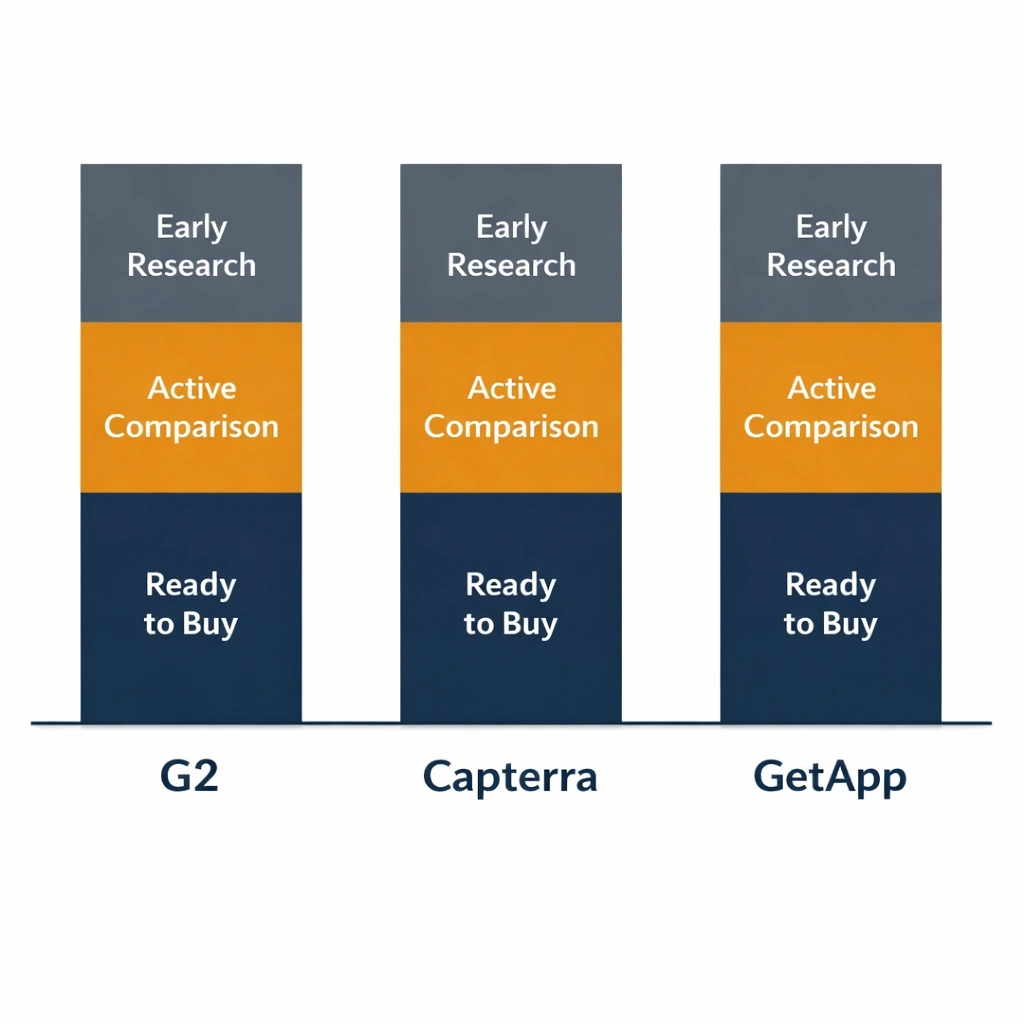
G2 buyers are typically further along in the decision process. They arrive with a shortlist already forming in their mind. They read more reviews per session, spend more time on comparison pages, and are more likely to be part of a buying committee that includes finance, IT, and operations stakeholders. For SaaS products with an annual contract value above five thousand dollars, G2 is consistently the platform where the highest-intent traffic concentrates.
Capterra buyers tend to be earlier in their search. Many arrive from Google after searching something like best project management software for small teams. They are solution-aware but not yet vendor-aware. This makes Capterra valuable for top-of-funnel visibility and brand discovery — but the conversion path from Capterra visit to closed deal is generally longer and requires more nurturing than G2.
GetApp sits between the two in terms of buyer intent, with a slight lean toward buyers who have already identified a category and are now filtering by specific features and integrations. If your product’s competitive advantage is its integration ecosystem or its mobile experience, GetApp’s structured filtering system surfaces that strength more effectively than the other two platforms.
Understanding these distinctions connects directly to how you approach building your review generation strategy for G2 and Capterra — because the type of review that converts on G2 is not the same as the review that drives clicks on Capterra.
Profile mechanics: how ranking works on each platform
Knowing where to invest requires understanding how each platform’s algorithm decides who ranks at the top of a category.
G2’s ranking system is the most transparent and the most demanding. The G2 Score — which determines placement on the grid — is calculated from two inputs: satisfaction and market presence. Satisfaction pulls from review ratings, review recency, and the quality of written feedback. Market presence factors in web presence, employee count data, and social signals. A product can have excellent reviews and still rank as a Niche player if its market presence signals are weak. This means G2 rewards a holistic brand-building effort, not just review volume in isolation.
Capterra’s ranking for organic category listings factors in review volume and recency as well, but the platform’s paid placement options mean that sponsored listings appear above organic results in most category searches. For early-stage products without a large review base, Capterra’s pay-per-click model can accelerate visibility while organic ranking builds. The trade-off is that paid visibility stops the moment the budget does.
GetApp largely mirrors Capterra’s ranking logic given their shared infrastructure, but applies additional weight to feature completeness in the profile and integration listings. A sparse GetApp profile — even one with strong reviews — will underperform against a competitor who has fully populated every feature and integration field.
For a detailed look at what each platform charges for paid placement and premium features, the SaaS review platform pricing breakdown covers the full cost structure across all three.
Which platform wins for which type of SaaS product
There is no universal answer to the G2 vs Capterra vs GetApp debate — but there are clear patterns based on product type and target customer.
For enterprise SaaS products priced above five thousand dollars annually, G2 is the non-negotiable primary platform. Enterprise buyers expect to see a credible G2 presence as part of their vendor evaluation. A weak or absent G2 profile creates doubt at exactly the moment you need confidence.
For SMB-focused tools priced between fifty and five hundred dollars per month, Capterra’s broader reach and lower-cost paid placement options offer a better return on early investment. The buyer journey is shorter, the decision is often made by one person, and Capterra’s search-driven discovery model matches how that buyer starts their research.
For product-led growth tools, integrations-heavy platforms, or anything where mobile usage is a selling point, GetApp deserves a dedicated profile strategy — not just a mirror of your Capterra listing. The platform’s filtering architecture surfaces integration depth in a way that neither G2 nor Capterra replicates cleanly.
The most effective approach for most SaaS companies at the growth stage is to lead with one platform, build a credible base of reviews there first, then expand to the others with a tailored strategy for each. Spreading thin across all three simultaneously produces average results on every platform instead of strong results on one.
Making the call
The G2 vs Capterra vs GetApp question is ultimately a resource allocation decision. All three platforms have real value. None of them is a waste of time if approached with the right strategy for the right product. The mistake is treating the choice as arbitrary or assuming that being listed everywhere is the same as being strong somewhere.
Start with the platform where your ideal buyer spends the most time during their evaluation process. Build depth there first — complete profile, strong review volume, active vendor responses. Then expand with a clear brief for each additional platform based on what it does differently, not just because the listing is free.
The entrepreneurs who win on review platforms are not the ones with the most listings. They are the ones who treat each platform as a distinct conversion asset and optimize it accordingly.
Conclusion
The G2 vs Capterra vs GetApp debate does not have one right answer — it has one right starting point. Identify where your buyer spends the most time during their evaluation, build a strong presence there first, and expand from that foundation rather than spreading thin across all three simultaneously.
What separates the SaaS companies that generate consistent pipeline from review platforms from those that see nothing is not budget. It is intentionality. A complete profile, a steady flow of recent reviews, and a vendor response habit that signals an active team behind the product — those three things alone put you ahead of the majority of listings in any category on any of these platforms.
The next step after choosing your platform is building the system that keeps your review count growing. Without that system, even the best profile stagnates. The guide on how to get more SaaS reviews on G2 and Capterra fast gives you the exact outreach framework to make review generation a repeatable part of your customer success process — not a one-time campaign you run and forget.