

Most entrepreneurs spend thousands on ads and overlook the one channel where buyers actually make their final call. SaaS review platforms third-party sites where verified users rate and compare software have become the default trust layer in every B2B purchase decision. If your product isn’t listed and optimized, you’re invisible at the moment it matters most. Understanding how the top SaaS review platforms stack up in 2026: G2 vs Capterra vs GetApp for software buyers gives you the full picture before deciding where to invest your positioning efforts.
what are saas review platforms? Buying software used to mean calling a sales rep, sitting through a demo, and trusting whatever the vendor told you. That process is largely gone. Today, the buyer does their own research long before they ever fill out a contact form and the place they go first is not Google. It is a SaaS review platform.
Understanding what are SaaS review platforms is the first strategic move any entrepreneur needs to make before building a go-to-market plan in 2026. These platforms are third-party directories independent sites that collect verified user reviews, aggregate ratings, and organize software into searchable categories. They sit at the exact moment in the buyer journey when a prospect has already decided they have a problem and is now actively comparing solutions.
How SaaS review platforms actually work
The mechanics are straightforward. A software company claims or creates a listing on a platform like G2, Capterra, or GetApp. Users who have purchased or used the software submit verified reviews — star ratings, written feedback, use-case descriptions. The platform then aggregates those reviews into a score, places the product in relevant categories, and ranks it against competitors within each category grid or list.
what are saas review platforms? What makes SaaS review platforms powerful is not the star rating itself. It is the trust signal the platform lends to that rating. When a prospect reads a review on G2, they know it has been verified. That verification layer — something a brand’s own website can never replicate — is what makes these platforms the dominant force in B2B software discovery.
The three platforms that control the largest share of this space in 2026 are G2, Capterra, and GetApp. Each one serves a slightly different buyer profile and rewards a different kind of vendor strategy. The complete breakdown of G2 vs Capterra vs GetApp covers exactly how they differ and which one fits your product stage.
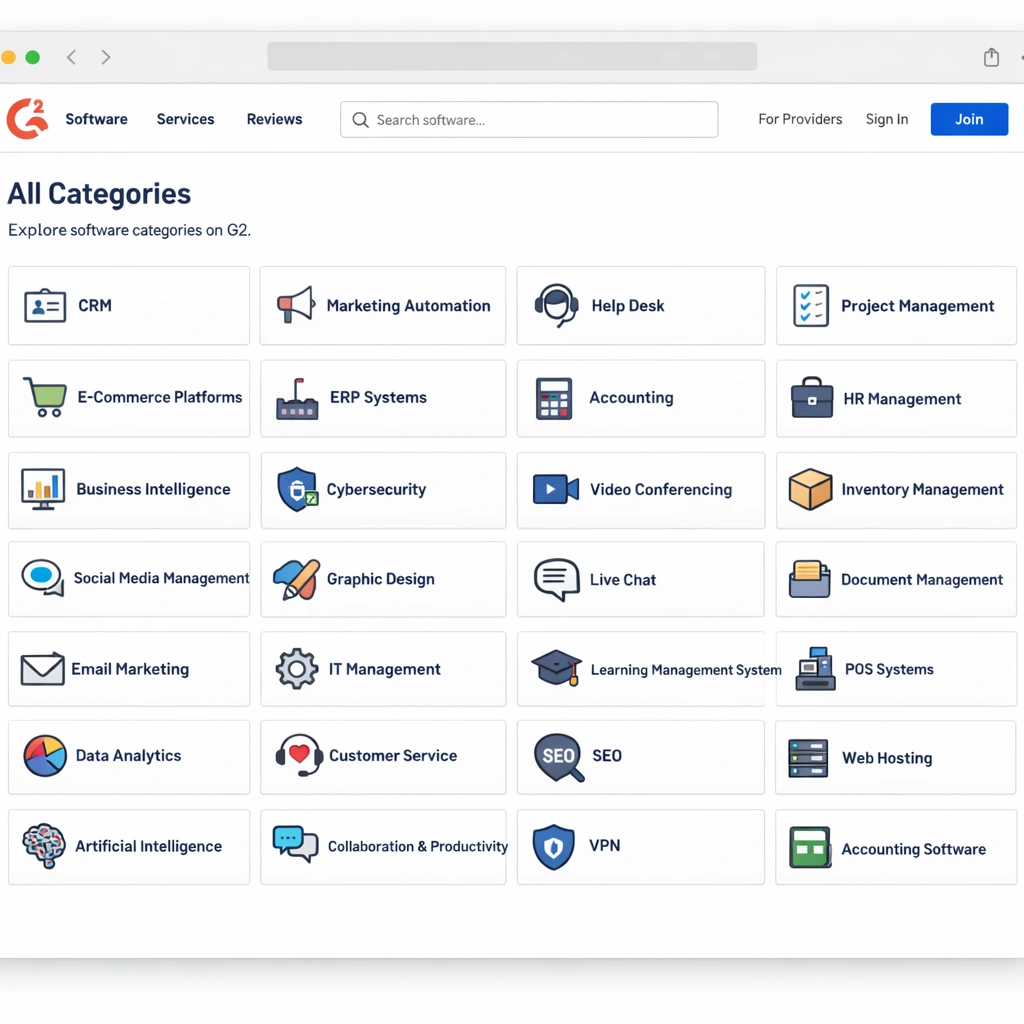
Why entrepreneurs underestimate this channel
Most early-stage founders treat SaaS review platforms as a passive channel. They create a listing, leave it alone, and assume reviews will come in organically. That assumption is expensive.
Review platforms are active ranking systems. The algorithms behind G2 and Capterra factor in review recency, review volume, response rate from the vendor, and profile completeness. A product with twelve reviews collected two years ago is already losing ground to a competitor who just ran a review generation campaign last quarter.
The other mistake is treating all three major platforms as interchangeable. They are not. G2 attracts larger enterprise buyers doing structured software evaluations. Capterra leans toward small and mid-market businesses searching more casually for a solution. GetApp, which operates under the same parent company as Capterra, indexes heavily on mobile and cross-device discovery. Listing on all three without a tailored strategy for each one dilutes your effort and delivers inconsistent results.
What are SaaS review platforms, at their core, is a question with a strategic answer: they are the trust infrastructure of the modern B2B sales funnel. Treating them as anything less than a primary acquisition channel in 2026 is a decision that compounds against you every quarter.
The buyer journey has already shifted
Here is the data point that should change how you think about this. According to multiple B2B buyer behavior studies, more than seventy percent of software buyers consult a third-party review site before contacting a vendor. That number has been climbing steadily since 2020 and shows no sign of reversing.
The implication is direct: your sales team, your ads, your SEO blog all of it feeds into a funnel where the buyer will eventually stop and verify. The verification happens on a SaaS review platform. If your profile is thin, your rating is low, or your response to negative reviews is nonexistent, that is where the deal quietly dies.
Entrepreneurs who understand this dynamic invest in their review platform presence the same way they invest in their website. The profile is a conversion asset. Every new review is a content update. Every vendor response is a trust signal. And the category ranking is a visibility lever that compounds over time.
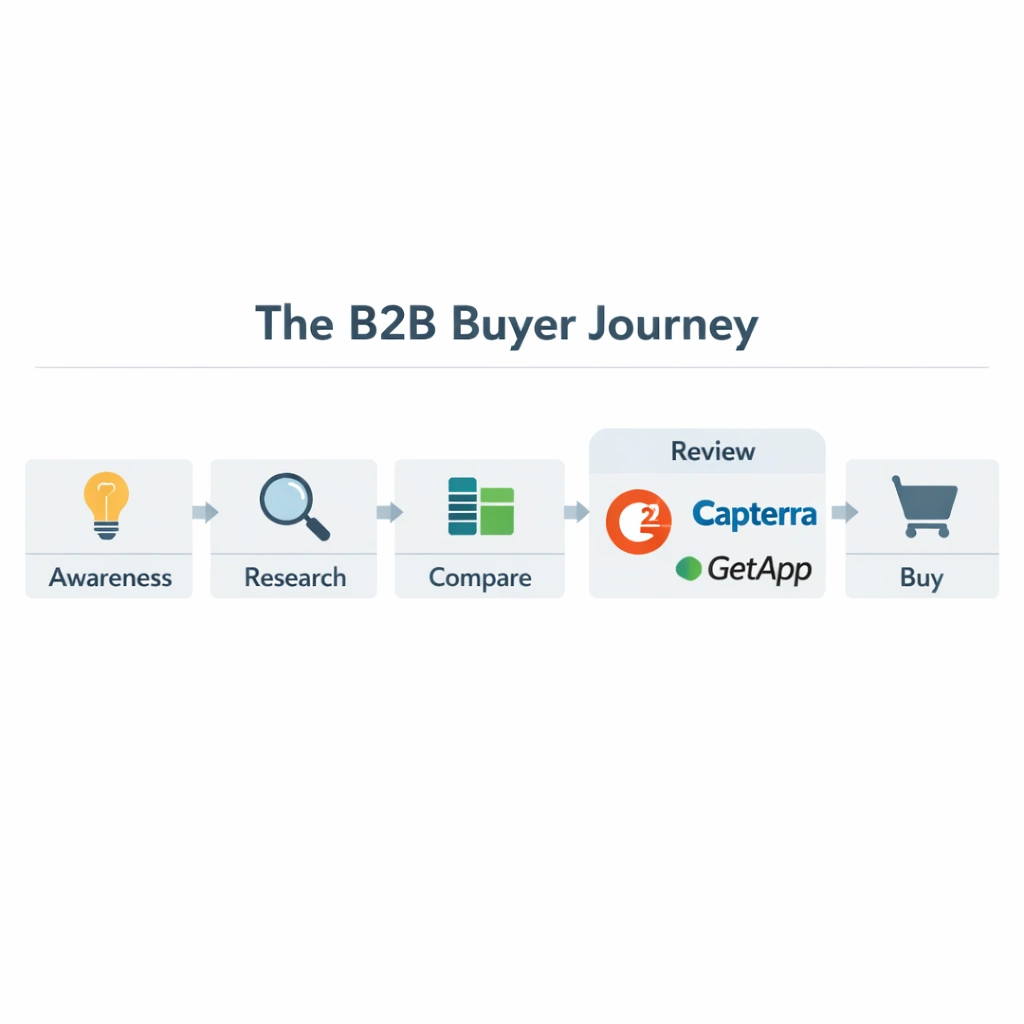
What your listing communicates before a buyer reads a single review
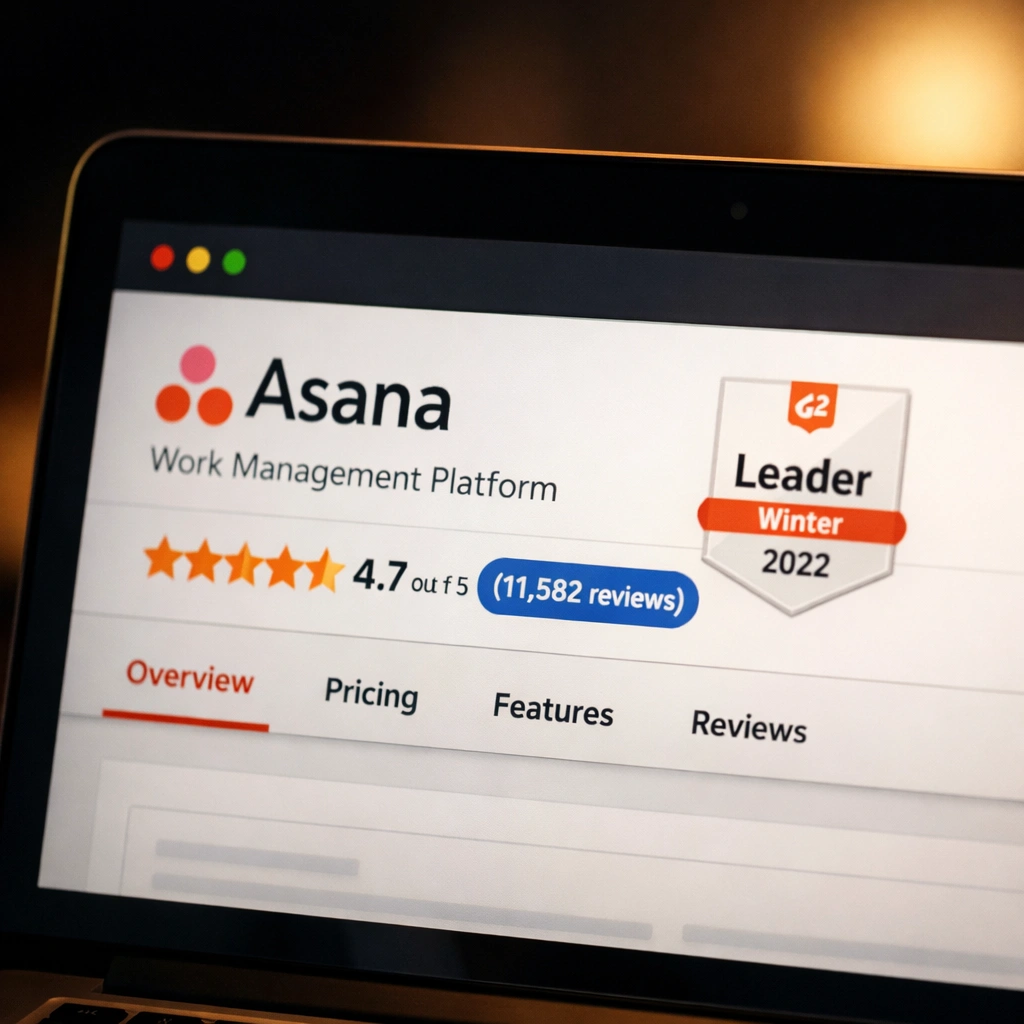
Before a prospect reads one word of feedback on your profile, they have already formed an impression based on four things: your product logo and brand consistency, your overall star rating, the number of reviews you have collected, and how recently those reviews were submitted.
A profile with a 4.6 rating and two hundred reviews communicates something fundamentally different from a 4.6 rating with eleven reviews. Volume and recency signal that real people are actively using and recommending your product. Scarcity signals that the product might be niche, stagnant, or unreliable — even if the quality of the reviews themselves is excellent.
This is why building a proactive review generation system is not optional. It is the foundation of a functioning review platform strategy. If you want a step-by-step approach, the guide on how to get more SaaS reviews on G2 and Capterra fast walks through exactly how to build that system without annoying your customers.
Where SaaS review platforms fit inside your full growth stack
SaaS review platforms do not replace your other acquisition channels. They amplify them. When your ads drive a prospect to your site, a strong G2 rating visible in your homepage social proof section shortens the trust-building process. When your outbound email reaches a cold prospect, a Capterra badge in your signature adds instant third-party credibility. When a buyer searches your brand name directly, your review platform profiles often rank on page one of those results which means they are part of your brand perception whether you manage them or not.
The most effective SaaS founders treat their review platform presence as a living system: listed across the right platforms, optimized for category ranking, reviewed regularly, and integrated into every customer touchpoint from onboarding to expansion.
Understanding what are SaaS review platforms is just the entry point. The strategic layer knowing which platform to prioritize, what pricing structures exist, and how to optimize your individual profile is where the real competitive advantage lives. The full guide to the best SaaS review platforms in 2026 maps all of it in one place.
The bottom line
SaaS review platforms are not a nice-to-have in 2026. They are the layer of the buyer journey where trust is either confirmed or lost. The entrepreneurs who understand this early build a structural advantage that compounds every quarter as their review count grows, their category ranking rises, and their brand credibility on third-party platforms becomes a conversion engine that works independently of their ad spend.
Getting listed is free. Getting it right is a strategy.
Conclusion
SaaS review platforms are not complicated once you understand what they actually are a trust layer that sits between your marketing and your closed deal. what are saas review platforms? The founders who treat platforms like G2, Capterra, and GetApp as passive directories are the same ones wondering why their pipeline stalls at the evaluation stage.
Your listing is a living asset. The moment you start managing it with the same intention you bring to your website or your sales deck, the dynamic shifts. Review volume builds credibility. Profile completeness improves category ranking. Vendor responses signal that a real team stands behind the product. These are not vanity metrics — they are conversion levers.
The next practical question most entrepreneurs face after understanding what SaaS review platforms are is cost. Knowing what you will pay — and what each pricing tier actually delivers — changes how you allocate your budget from the start. The SaaS review platform pricing breakdown for G2, Capterra, and GetApp gives you the numbers and the context to make that call without surprises.