
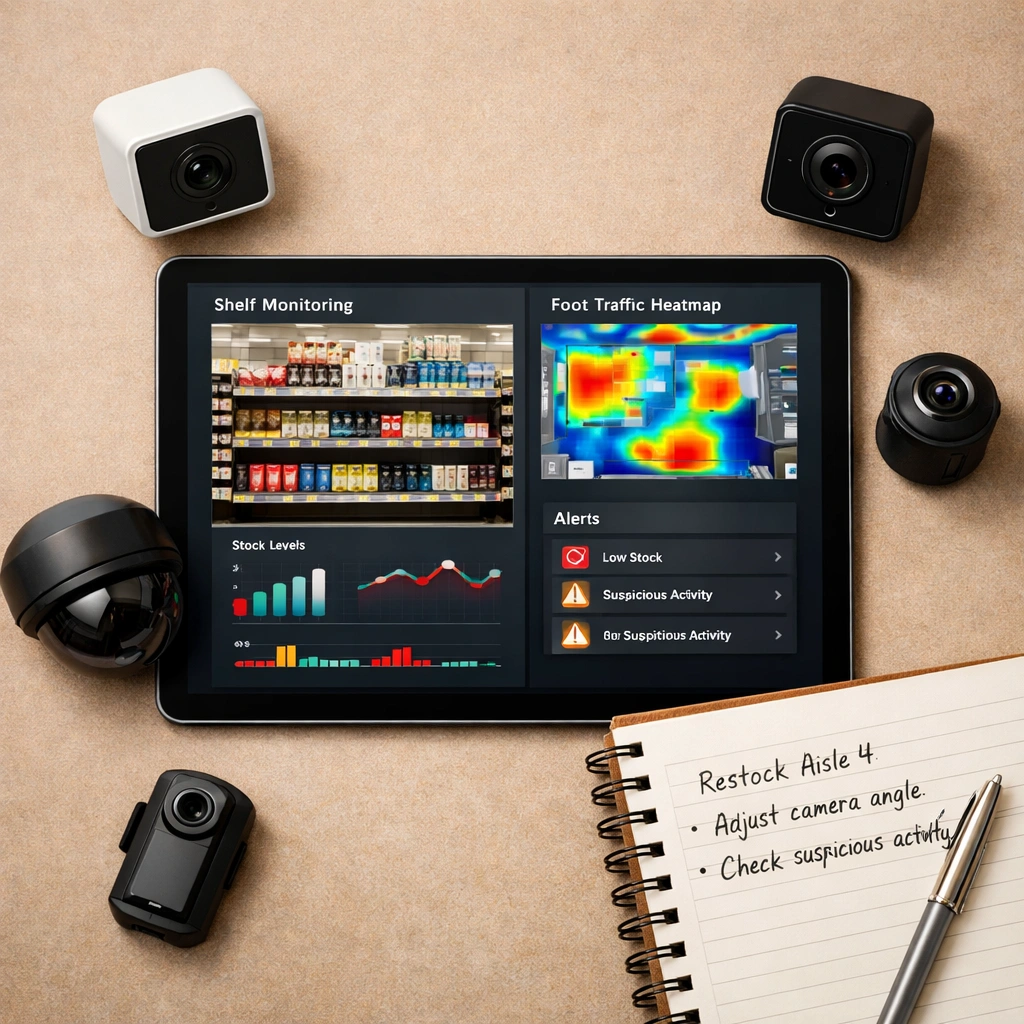
Choosing the wrong platform is one of the most expensive mistakes a retail entrepreneur can make when adopting new store technology. The best AI vision systems for retail vary significantly in price, integration complexity, and the specific problems they solve from shelf gaps to checkout friction. Before locking in a vendor, it helps to understand the broader landscape covered in how retail AI vision automation is transforming store operations in 2026. This comparison focuses on what actually moves the needle for independent and mid-size retailers, not enterprise chains with unlimited IT budgets best AI vision systems for retail.
The evaluation framework before you look at any vendor
Before reviewing specific platforms, it helps to have a structured way to assess them. The best AI vision systems for retail share four qualities that separate genuinely useful tools from expensive hardware that collects dust after the first quarter.
Accuracy at your store’s scale
A system trained primarily on large-format grocery stores will perform differently in a 2,000-square-foot boutique. Ask every vendor for accuracy benchmarks specific to your store type and SKU density. False positive rates — alerts that fire when nothing is wrong are the fastest way to erode staff trust in a new system. Once your team starts dismissing alerts, the platform loses most of its operational value.
Integration with tools you already use
The best AI vision systems for retail are not standalone products. They are data sources that need to connect with your point-of-sale system, your inventory management software, and your staff communication tools. A platform that generates insights but keeps them locked inside its own dashboard creates more work, not less. Prioritize vendors with native integrations or open APIs best AI vision systems for retail.
Edge processing capability
Edge processing means the vision model runs on a local device installed in your store rather than sending raw video footage to a cloud server for analysis. This matters for two reasons. First, it dramatically reduces latency — alerts fire in seconds, not minutes. Second, it reduces data privacy exposure, which is increasingly relevant as state-level regulations around commercial camera use continue to evolve.
Transparent pricing with no hidden scaling fees
Several platforms in this space use a per-camera or per-location pricing model that looks reasonable at one location and becomes prohibitive at three. Get a full pricing breakdown for your current footprint and your projected footprint eighteen months from now before signing anything.
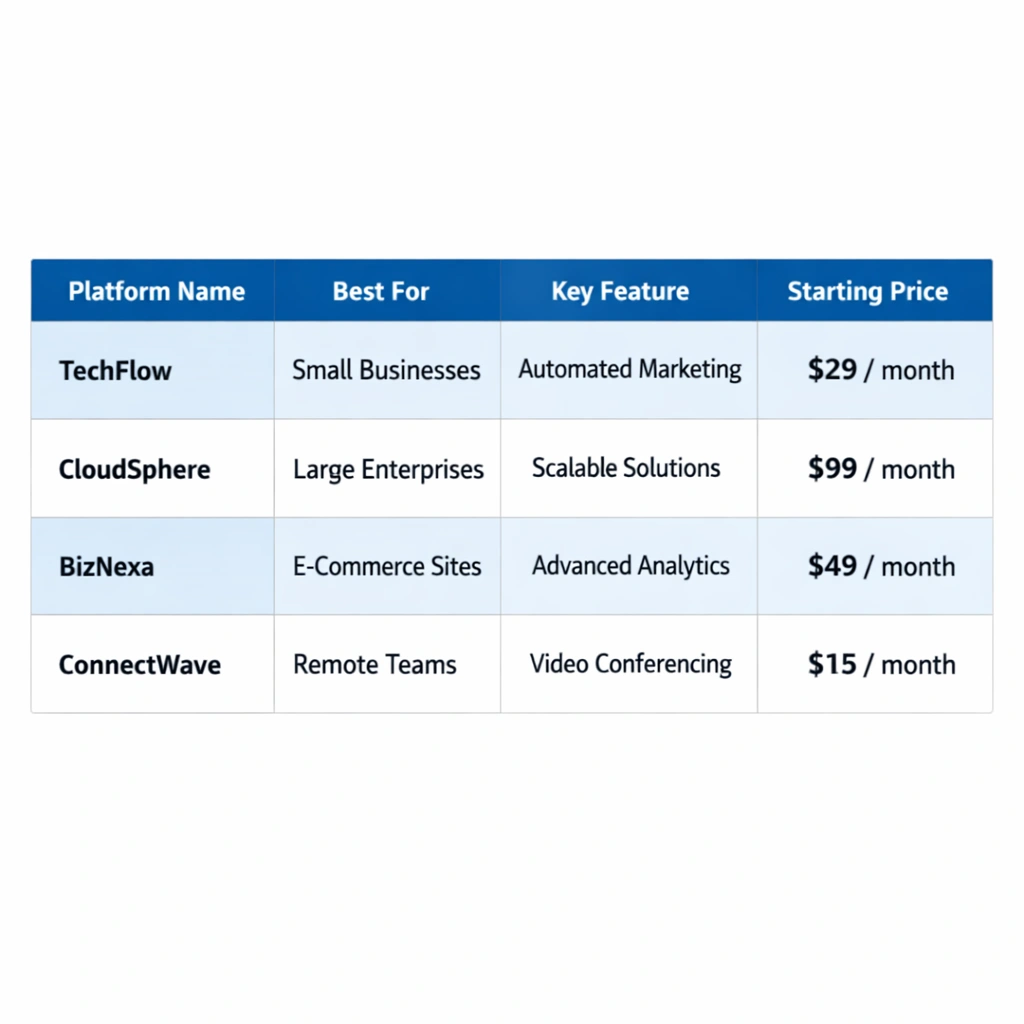
The platforms worth evaluating in 2026
Focal Systems
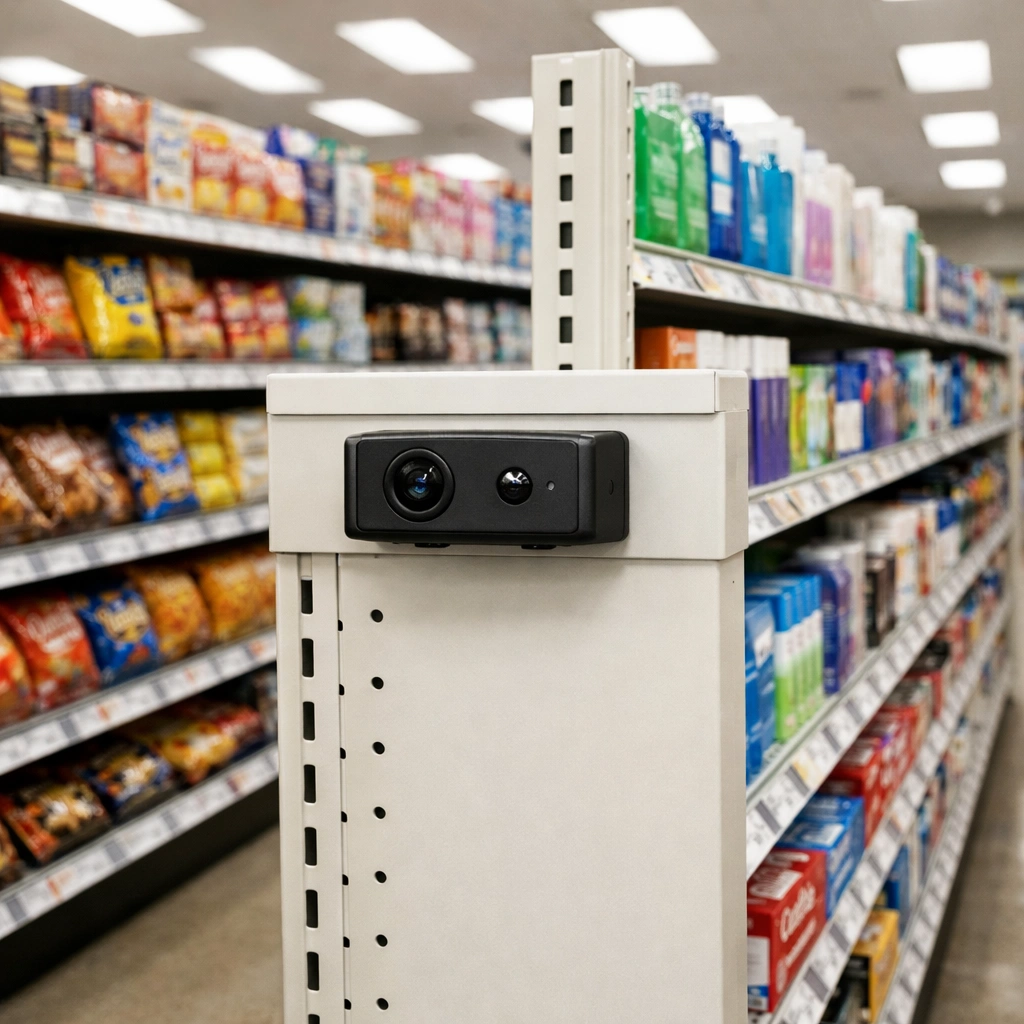
Focal Systems is one of the most mature shelf intelligence platforms available to mid-size retailers. It uses shelf-mounted cameras rather than ceiling-mounted ones, which gives it a close-range view of product placement and stock levels that overhead systems cannot match at the same resolution.
The platform integrates directly with most major inventory management systems and generates restocking tasks automatically when it detects an empty slot or a planogram deviation. For entrepreneurs whose primary pain point is AI shelf monitoring retail catching stockouts before they cost you a sale — Focal is one of the strongest purpose-built options currently available.
The tradeoff is installation complexity. Shelf-mounted hardware requires more physical setup than a ceiling camera system, and reconfiguring it when you reset your planogram takes time.
Verkada with retail analytics add-on
Verkada is primarily known as a cloud-managed security camera platform, but its retail analytics layer has matured significantly. For store owners who want to consolidate loss prevention and operational analytics into a single vendor, Verkada offers a practical middle path.
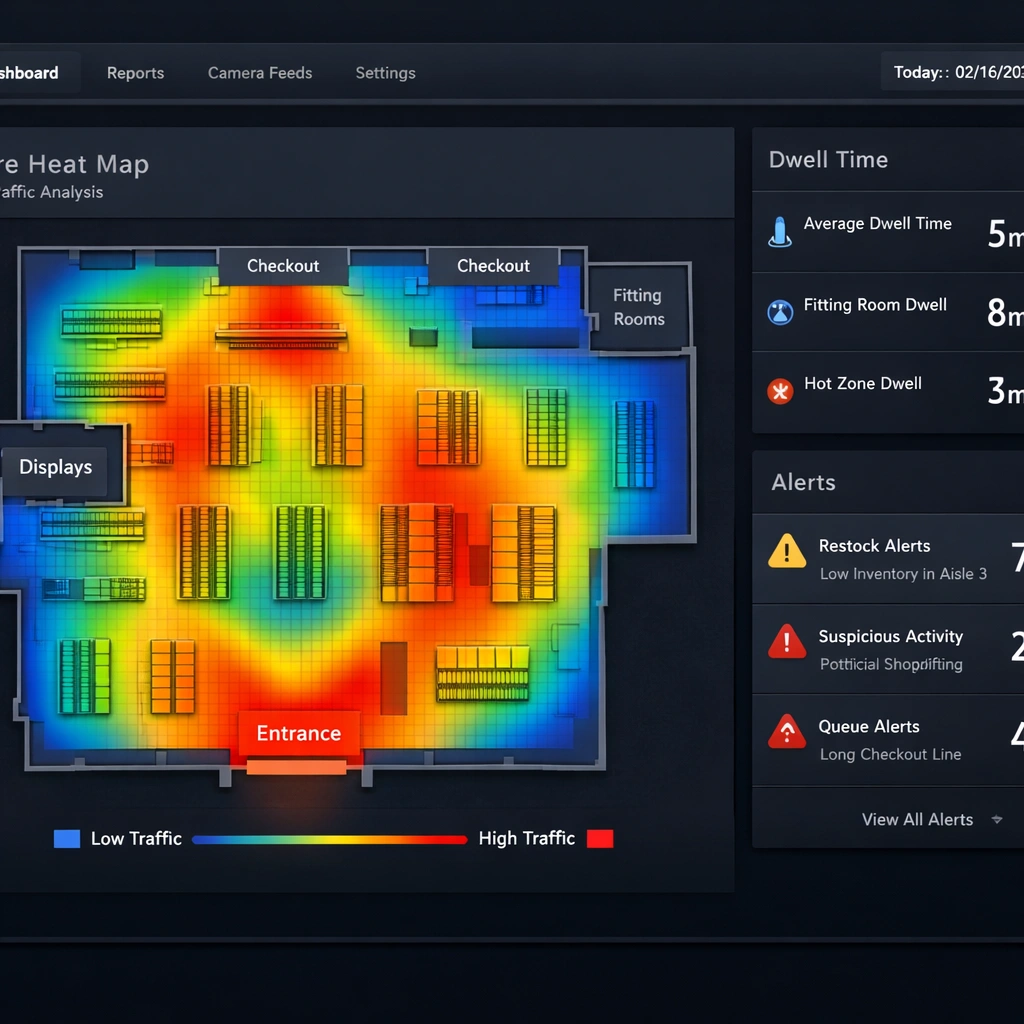
The system handles foot traffic counting, zone dwell analysis, and occupancy monitoring well. Its loss prevention capabilities are solid for deterrence and post-incident review, though it does not offer the same level of real-time behavioral anomaly detection as dedicated retail computer vision loss prevention platforms.
The ceiling-mounted camera setup is faster to install and easier to reconfigure than shelf-level systems. For a first deployment where you want to cover multiple use cases without managing multiple vendors, Verkada is worth a serious look.
Standard AI
Standard AI focuses specifically on autonomous checkout and loss prevention. Its computer vision layer is trained on shoplifting behavior patterns and checkout anomalies rather than shelf intelligence, which makes it a strong fit for stores where shrinkage is the primary operational problem.
The platform uses overhead cameras and does not require any changes to your physical checkout infrastructure in most configurations. It runs entirely on edge hardware and does not store identifiable video footage, which addresses the privacy concerns that some retail entrepreneurs have around deploying AI camera systems.
The limitation is scope. If you want shelf monitoring and customer behavior analytics alongside loss prevention, Standard AI will need to be paired with a second platform which adds integration complexity and cost.
Trigo
Trigo offers one of the most comprehensive retail AI vision platforms available outside the pure enterprise tier. It covers shelf monitoring, customer journey analytics, and checkout automation in a single integrated system. The platform is particularly strong on the AI customer behavior analytics retail side, generating detailed store heat maps and conversion path data that most smaller platforms do not produce at the same resolution.
The tradeoff is deployment depth. Trigo requires a more involved onboarding process and a longer calibration period than lighter platforms. For a single-location entrepreneur looking to get value within thirty days, the ramp-up time may be a friction point. For someone building toward a multi-location operation and willing to invest in a more capable foundation, it is one of the strongest options in the mid-market.
How to match a platform to your actual situation
The best AI vision system for retail is not the one with the longest feature list. It is the one that solves your most expensive operational problem first and integrates cleanly with what you already have.
If stockouts are your biggest revenue leak, start with a shelf intelligence platform like Focal Systems and expand from there.
If shrinkage is your primary concern, evaluate Standard AI or a Verkada deployment with the loss prevention module active before adding any other use cases.
If you want a unified view of store performance — shelf status, customer behavior, and loss prevention in a single dashboard — and you are willing to invest in a more involved deployment, Trigo offers the most integrated starting point in the mid-market.
For entrepreneurs who are still early in the evaluation process and want to understand how to structure a deployment before committing to a vendor, how to implement AI vision retail without wasting your budget covers the scoping and rollout sequencing that determines whether any of these platforms delivers on its promise.
The procurement mistake that costs the most
The single most common mistake entrepreneurs make when purchasing retail AI vision systems is evaluating platforms based on demo performance rather than production performance in a comparable store environment.
Every vendor demo is optimized. The lighting is controlled, the SKU count is manageable, and the scenarios are pre-selected. What you need to see is the platform running in a store similar to yours — similar size, similar product density, similar customer volume — over a period of at least two weeks.
Ask every vendor for a reference customer in your store category and speak to that customer directly before signing. The fifteen minutes that conversation takes will tell you more than any product demo.
Conclusion
The best AI vision systems for retail in 2026 are more accessible, more accurate, and more integrable than they were even two years ago. The market has matured past the proof-of-concept stage, and the platforms worth evaluating today have real production deployments and measurable outcome data behind them.
The decision framework is straightforward: identify your most costly operational problem, find the platform most specifically trained to address it, verify performance in a comparable store environment, and confirm integration compatibility before committing best AI vision systems for retail.
The technology works. The variable is fit — and fit starts with an honest assessment of what your store actually needs.