

Running a small team means there is no margin for confusion. When four people are sharing responsibility for a product launch, a missed deadline does not just slow one person down it stalls everyone. That is the operational reality most project management tool reviews ignore. They list features. They compare pricing tiers. They rarely talk about what it actually feels like to run a five-person team where everyone is doing two jobs at once project management tools for small teams.
This page is about that reality. Specifically, it is about finding project management tools for small teams that match how lean operations actually work fast decisions, limited bandwidth, and zero tolerance for software that creates more work than it saves project management tools for small teams.
Why small teams need a different kind of tool
Enterprise project management software is built for scale. It assumes you have a dedicated project manager, a defined hierarchy, and the time to configure complex workflows before a single task gets assigned. Small teams have none of that.
What a five-person startup or a boutique agency actually needs is something that works on day one, adapts as the team grows, and does not require a 40-minute onboarding session every time someone new joins.
The tools worth using for small teams share three characteristics:
Low setup friction. You should be able to create a project, assign tasks, and set deadlines within the first 20 minutes. If you are still configuring permissions and custom fields after an hour, the tool is not built for your context.
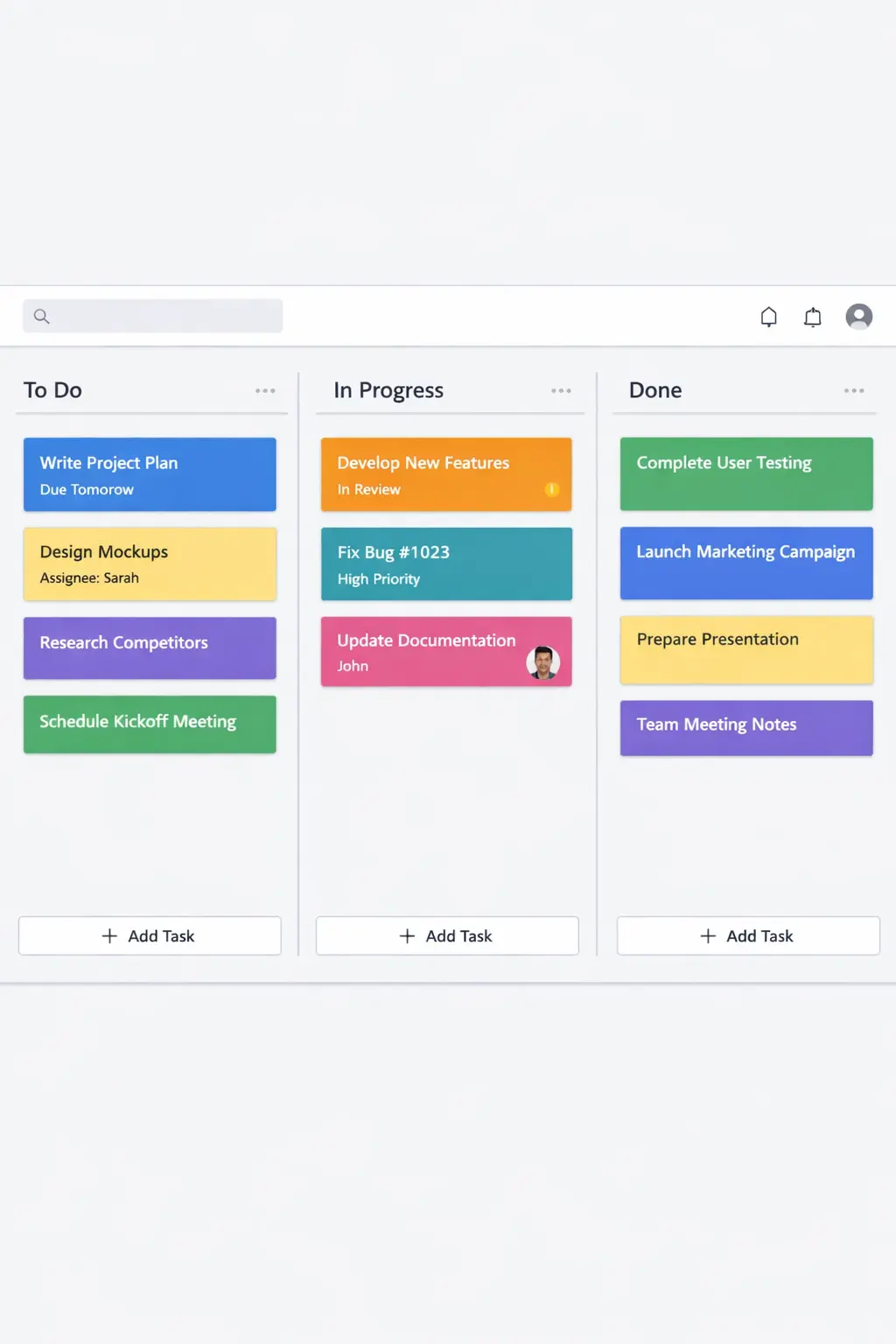
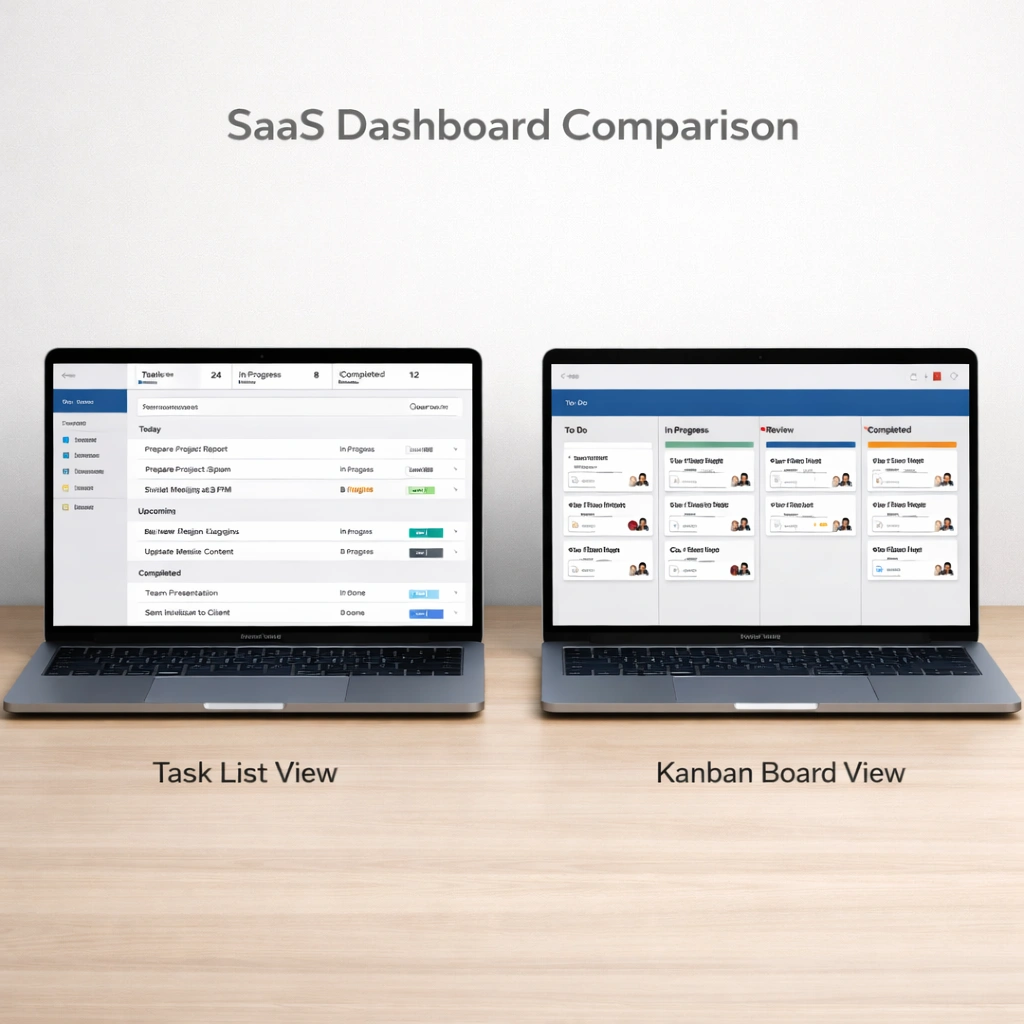
Flexible views. Some people think in lists. Others need a board. A good tool offers both without making you pay extra for the privilege.
Practical automation. Not the flashy kind the kind that sends a reminder when a task is overdue, moves a card when a status changes, or notifies a teammate when their dependency is unblocked project management tools for small teams.
The tools that consistently work for small teams
Notion for teams that think in documents
Notion sits at the intersection of documentation and task management. It is not a pure project management tool, but for small teams that need a single place to store decisions, run projects, and manage a content calendar, it earns its place.
The database feature is where most of the project management power lives. You can build a task tracker that filters by assignee, status, and deadline, then toggle between table, board, and calendar views depending on what you need to see. The free plan covers most small team use cases without feeling restrictive.
Where Notion falls short is in notification handling. It is not built for teams that need real-time alerts on task progress. If your team operates in a high-velocity environment where handoffs happen daily, you will likely outgrow it on the communication side.
ClickUp for teams that want one platform for everything
ClickUp is the most feature-dense option in this category. It covers task management, docs, goals, time tracking, and reporting under one roof. For a small team that wants to consolidate tools and reduce the number of subscriptions they manage, that depth is genuinely useful.
The trade-off is the learning curve. ClickUp rewards teams that invest time upfront in configuring their workspace. If you set it up thoughtfully clear spaces, consistent naming conventions, automation rules for recurring tasks it becomes a serious operational asset. If you drop a team into it cold, it can feel overwhelming.
The free forever plan is generous. The unlimited plan at $7 per user per month unlocks the automation features that make it worth the upgrade.
To understand how ClickUp compares directly against its closest competitors, the Asana vs Monday vs ClickUp breakdown goes through each platform side by side on the features that actually matter for growing teams.
Trello for teams that need simplicity above everything
Trello is the easiest entry point in this space. It is a kanban board, full stop. Cards move across columns. You add due dates, attachments, and checklists. That is the core loop.
For small teams running straightforward projects a product release, a client deliverable, a marketing calendar — Trello does the job without friction. It is not going to replace a spreadsheet for financial tracking or a CRM for client management, but it was never designed to.
The Power-Ups system extends functionality, but the free plan limits you to one active Power-Up per board, which becomes a constraint quickly. If you need more than basic Trello, the standard plan at $5 per user per month is a reasonable step up.
What to look for before you commit
Choosing a tool for a small team is not just a software decision. It is a workflow decision. The platform you pick shapes how your team communicates, prioritizes, and tracks progress. Getting it wrong means either migrating later or dealing with a system people quietly stop using.
Before you make a final call, run through these four questions:
How does your team naturally communicate? If most of your coordination happens in Slack, you need a tool with a solid Slack integration. If you are mostly async, you need strong comment threads and notification controls.
What does your project lifecycle look like? A team running one large ongoing project has different needs than a team managing ten client projects simultaneously. The second scenario needs stronger filtering, tagging, and cross-project visibility.
Who is the least technical person on your team? Your tool needs to work for them too. If the adoption bottleneck is a team member who struggles with complex interfaces, that narrows your options project-management-tools-for-small-teams.
Will you need to bring in contractors or clients? Most tools charge per seat. If you regularly work with external collaborators, understand the guest access model before you commit.
For teams that are also thinking about removing manual work from their workflow, project management tools with automation covers the specific automation features that deliver the fastest efficiency gains for lean operations.

Getting your team to actually use it
The best tool in the world delivers zero value if your team reverts to email after two weeks. Adoption is not a technology problem. It is a behavior problem.
The fastest way to kill adoption is to migrate everything at once. Start with one project. Run it fully through the new system for two weeks. Let the team feel the difference between a structured workflow and a Slack thread before you expand.
Assign one person to own the tool setup. Not to manage everyone’s tasks to maintain the structure. That means keeping naming conventions consistent, archiving completed projects, and making sure new team members get a 15-minute orientation when they join.
Finally, connect the tool to your existing communication stack on day one. If tasks live in ClickUp but reminders never surface in Slack, the tool will feel like an extra step rather than a central hub.
For a complete step-by-step approach to building a system your team will follow, how to set up a project management system walks through the full implementation process from first project to full team adoption.
The bottom line
Small teams do not need the most powerful tool. They need the right tool — one that matches their pace, fits their communication style, and does not require a full-time administrator to keep running.
Start with the lowest-friction option that covers your core needs. Upgrade when the constraints become real, not in anticipation of problems you have not hit yet. The goal is a system your team trusts, uses consistently, and builds on over time.
Conclusion
Small teams move fast, and the tools you choose either support that speed or quietly work against it. The difference between a team that ships consistently and one that constantly plays catch-up often comes down to one decision made early: picking a system that fits how the team actually operates, not how a software company thinks it should.
Project management tools for small teams do not need to be complex. They need to be adopted. A simple board that everyone uses beats a sophisticated platform that three people ignore. Start lean, build the habit, and layer in features as your workflow demands them.
The foundation you build now becomes the operating system your business runs on as it grows. Get that right first, and everything else delegation, hiring, scaling becomes significantly easier to manage project-management-tools-for-small-teams.