
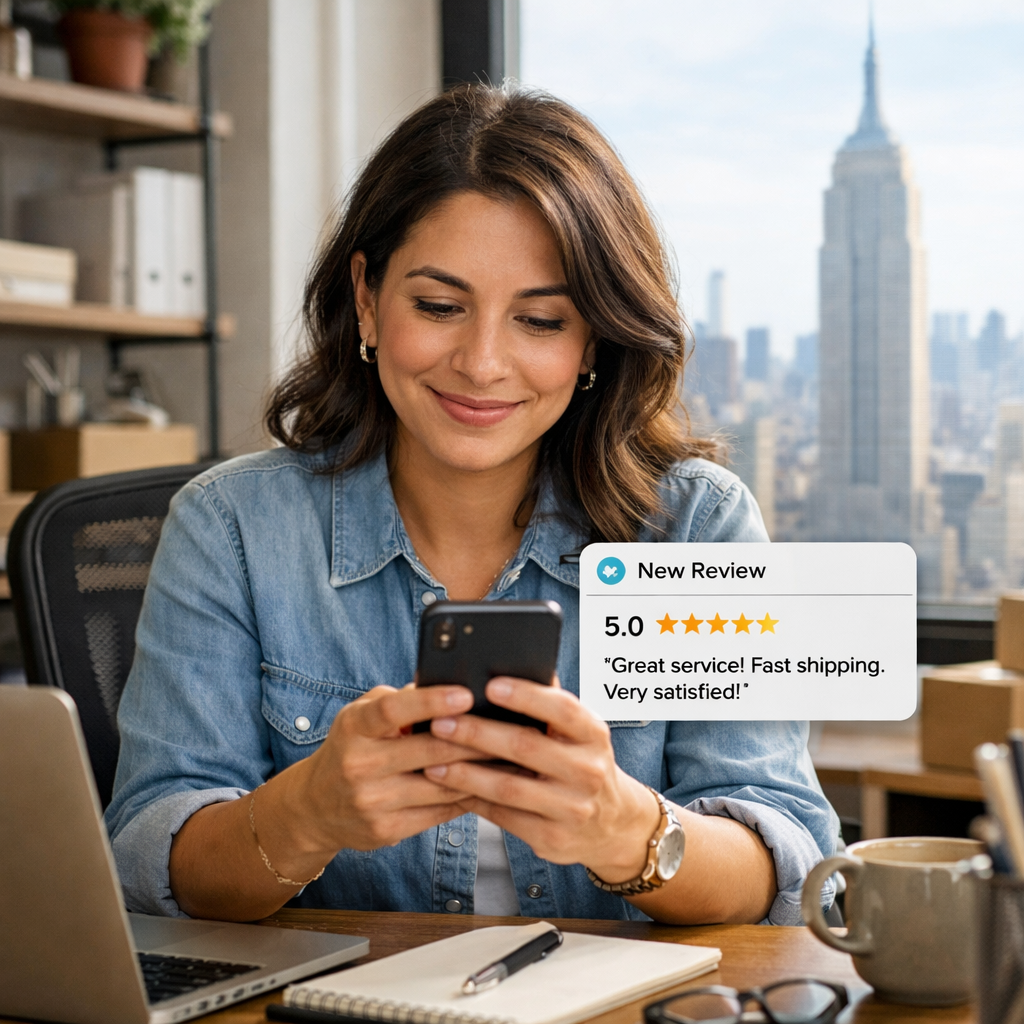
Most entrepreneurs know they need more reviews. What they do not know is how to get more customer reviews without feeling pushy or triggering the kind of awkward silence that kills the post-sale relationship. Getting more customer reviews consistently is not about volume hacks or automated spam — it is about timing, context, and making the ask feel like a natural next step.
Learning how to get more customer reviews the right way is one of the most practical problems inside a broader reputation strategy. It sits right at the foundation of a complete amplified reviews system that actually moves the needle for your business in 2026.
Why timing is everything when asking for a review
The biggest mistake entrepreneurs make when trying to collect reviews is asking at the wrong moment. They either ask too early, before the customer has experienced real value, or too late, when the excitement of the purchase has faded and the customer has mentally moved on how to get more customer reviews.
The right moment is what you might call the success moment. That is the specific point in the customer journey where your product or service has delivered its core promise. For a SaaS tool, it might be the moment a user completes their first meaningful task. For a service business, it might be the day a project wraps up and the client sees the result.
That moment carries emotional weight. The customer feels good. They are grateful. They are also most likely to translate that feeling into a public statement — which is exactly what a review is.
Identifying your success moment is not complicated. Ask yourself: at what point in my customer journey does someone typically say “this is exactly what I needed”? Build your review request around that moment and your response rate will climb without any additional pressure tactics how to get more customer reviews.
Online review management starts with this single discipline — getting the timing right before you worry about anything else.
The three channels that generate the most reviews
Not every channel works equally well for every business. But across most industries, three channels consistently outperform everything else when it comes to generating authentic customer reviews.
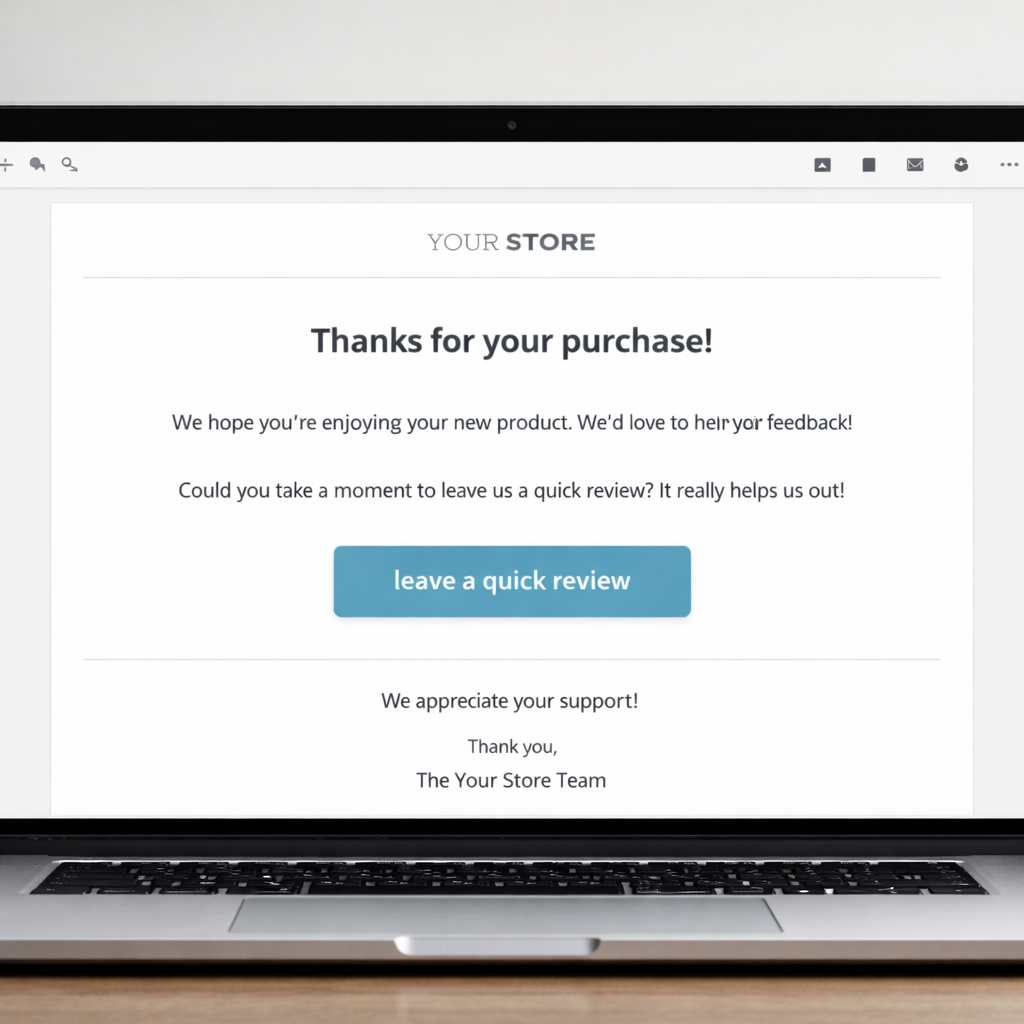
Email follow-up sequences are the highest-converting channel for most businesses. A well-timed email sent one to three days after the success moment, with a single clear call to action, outperforms any in-app prompt or social media request. The key is simplicity. One ask. One link. No paragraph of explanation about why reviews matter to your business — the customer does not care about that context.
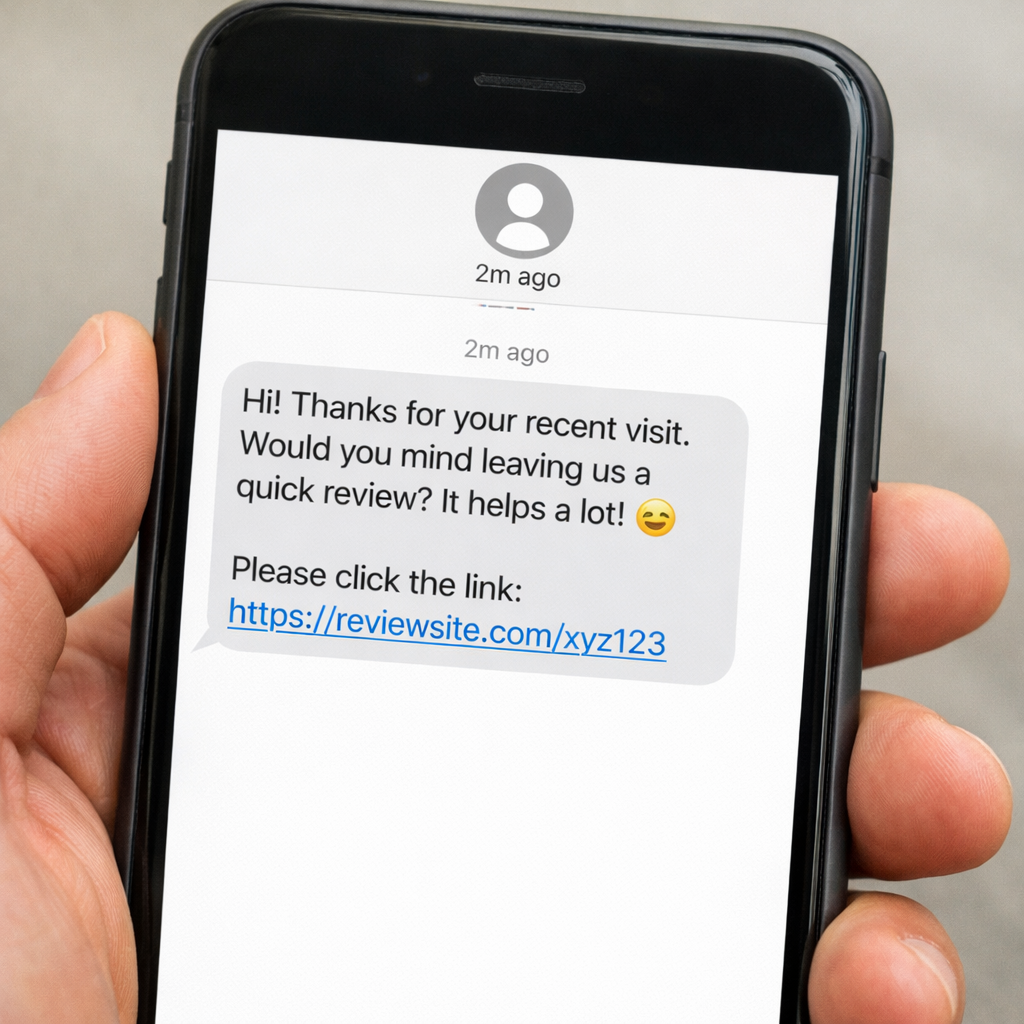
SMS requests work particularly well for service businesses and local operators. The open rate on a text message is significantly higher than email, and the friction between reading the message and tapping a link is minimal. Keep the message under 30 words and include a direct link to your preferred review platform.
In-app or post-session prompts are the go-to for SaaS products and mobile applications. Triggering a review request immediately after a user completes a key action — not randomly, not after login — produces response rates that passive requests cannot match.
The channel you choose matters less than the consistency with which you use it. Pick one, build the sequence, and run it for 60 days before evaluating results how to get more customer reviews.
How to write a review request that actually gets responses
The language of your review request carries more weight than most entrepreneurs realize. A generic please leave us a review message produces generic results. A specific, human request produces specific, useful reviews.
Three elements make a review request work.
The first is personalization. Use the customer’s name. Reference the specific product, service, or outcome they received. Generic messages feel like broadcast emails — because they are. Personalized messages feel like a conversation.
The second is simplicity of the ask. Do not ask the customer to “share their experience across our platforms. Ask them one thing: leave a review on Google, or on Trustpilot, or wherever your primary platform is. One platform. One link. One action.
The third is a low-pressure framing. Phrases like if you have two minutes or only if you’re up for it reduce the psychological weight of the request. Counterintuitively, giving someone an easy out makes them more likely to follow through, not less.
Choosig the right platform for your review requests is the next decision after you have your message dialed in — because sending traffic to the wrong platform wastes the effort you just put into the ask.
What to avoid when collecting reviews
There are several practices that feel intuitive but actively damage your review strategy — either by violating platform terms, producing low-quality reviews, or eroding customer trust how to get more customer reviews.
Do not offer incentives in exchange for reviews. Most major platforms explicitly prohibit this, and the reviews it generates tend to be generic and unconvincing. Worse, if the practice becomes public, it damages the credibility of your entire review profile.
Do not ask for reviews in bulk at the end of a long customer relationship. Asking someone who purchased from you six months ago to leave a review today produces low response rates and often surfaces feedback about experiences that no longer reflect your current product or service quality.
Do not send more than one follow-up if the first request goes unanswered. A second reminder is acceptable. A third is harassment. Protect the relationship over the review.
Do not direct all your review traffic to a single platform. Platform algorithms flag sudden spikes in review volume as suspicious, and having all your social proof concentrated in one place creates a single point of failure for your reputation.
Automating this process correctly means building these guardrails into the system from the start, so you never have to manually monitor for compliance.
Building a repeatable review collection system
A one-time review push is not a strategy. A repeatable system is. The difference is that a system runs without you having to remember to do it how to get more customer reviews.
The foundation of a repeatable system has four components.
A trigger. Something in your customer journey that automatically initiates the review request — a project completion, a subscription milestone, a support ticket closed as resolved.
A sequence. One to two messages, spaced appropriately, sent through the channel most likely to reach that specific customer segment.
A destination. One primary review platform per customer segment, chosen based on where your buyers actually look before making a purchase decision.
A feedback loop. A monthly review of response rates, review quality, and platform distribution so you can adjust the trigger timing or message copy based on real data.
Once this system is running, review collection becomes a background process rather than a manual task. That is when you can shift your focus to the next layer of the strategy — turning those reviews into marketing assets that drive revenue at every stage of your funnel.
Conclusion
Collecting reviews consistently is not about being aggressive or clever. It is about being systematic. When you ask the right customer, through the right channel, at the right moment, with the right message — the response rate takes care of itself.
The entrepreneurs who struggle with review volume are almost always missing one of those four variables. Fix the timing first. Then the channel. Then the message. Build the sequence around those three decisions and the system runs on its own.
Reviews are only valuable if you have them. Everything else in your amplification strategy depends on this foundation being solid.